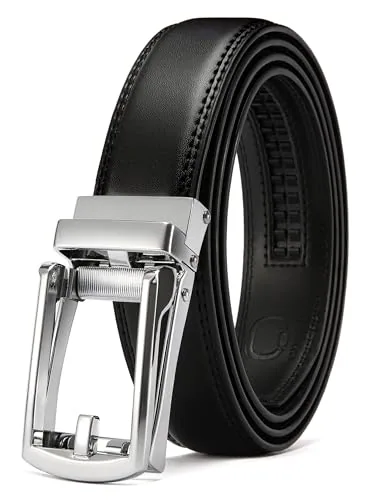
Ratchet
Leather Ratchet Belt, 32 mm (Black, 32″ to 38″ waist)
silver buckle
4.6 out of 5 · 5,363 ratings$19.99
Where most people start
The mechanism the brand is known for: no holes, a track of fine teeth, and a strap you cut once to your own waist.
silver buckle
4.6 out of 5 · 5,363 ratings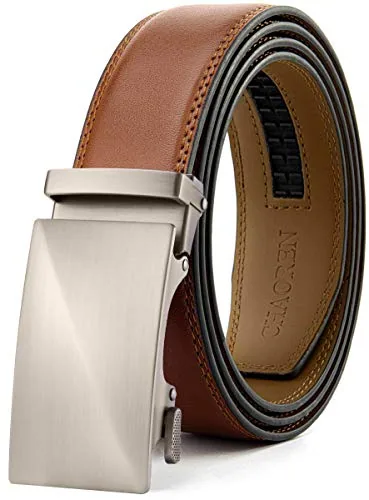
leather
4.6 out of 5 · 51,073 ratings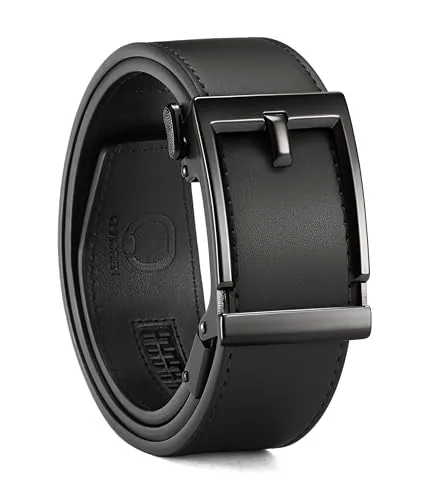
leather
4.6 out of 5 · 978 ratings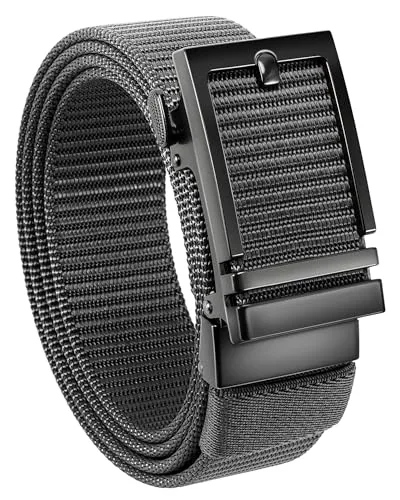
36″ to 42″ waist
4.5 out of 5 · 1,069 ratingsPrices are what we last recorded for each belt. Every button opens that belt on our retail partner's site in a new tab.
Seven ways in
A belt is chosen in two moves: first the mechanism, then what it has to go with. The departments follow that order rather than colour.

click adjustment, 26″ to 52″
65 belts from $6.83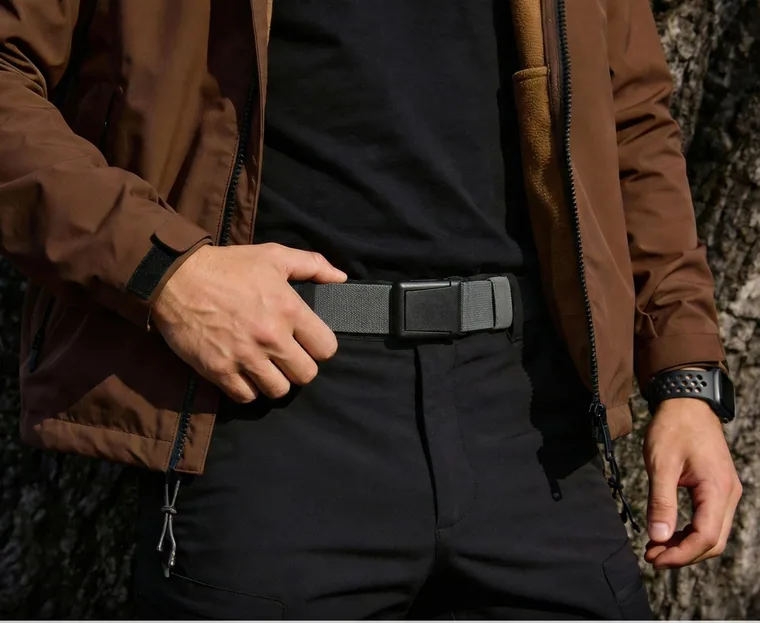
nylon and webbing, 26″ to 48″
38 belts from $7.49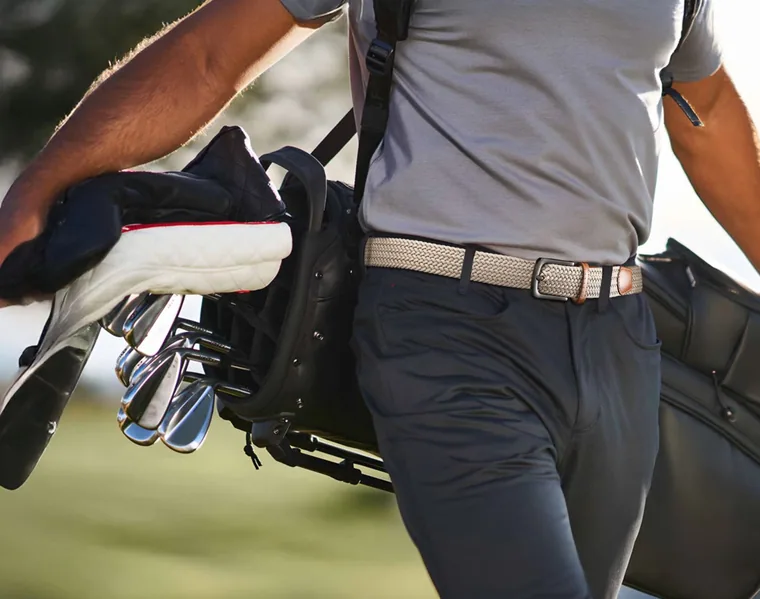
elastic and braided, 26″ to 52″
55 belts from $7.99
two colours in one, 32″ to 38″
8 belts from $5.99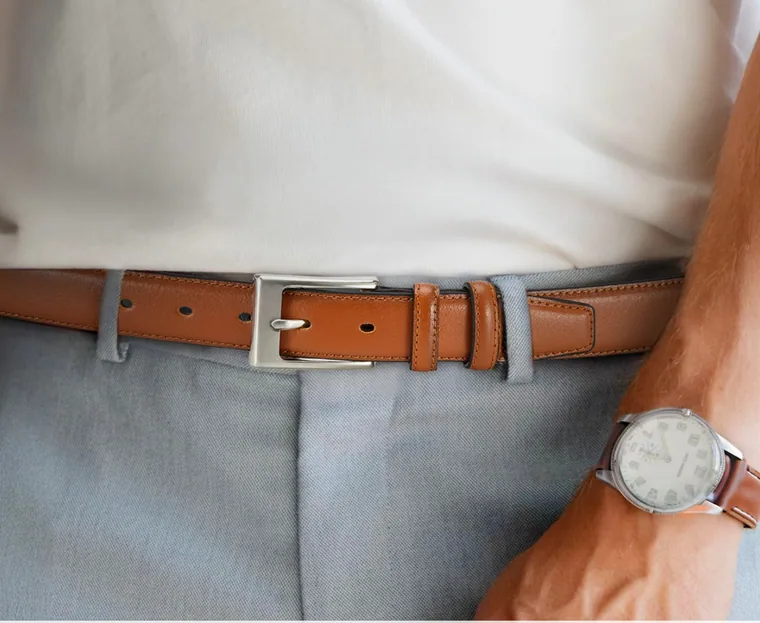
classic pin buckle, 32″ to 37″
22 belts from $4.99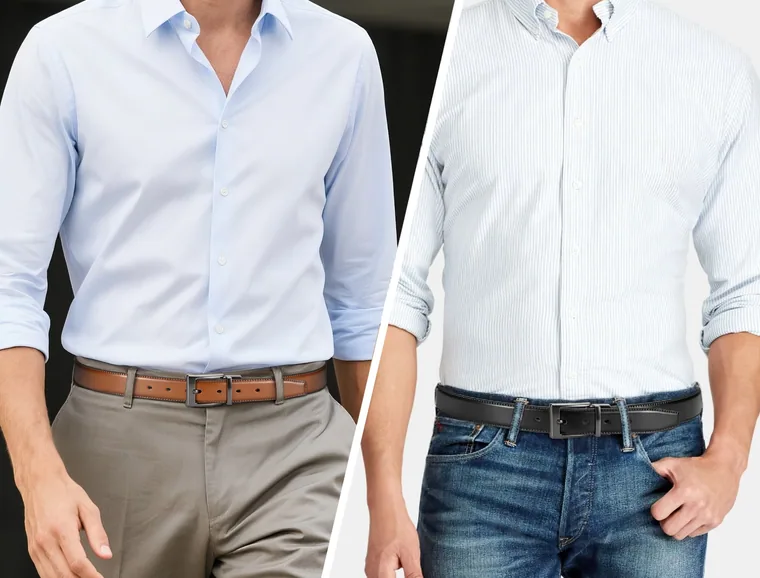
adjustable youth sizes, 16″ to 32″
25 belts from $4.99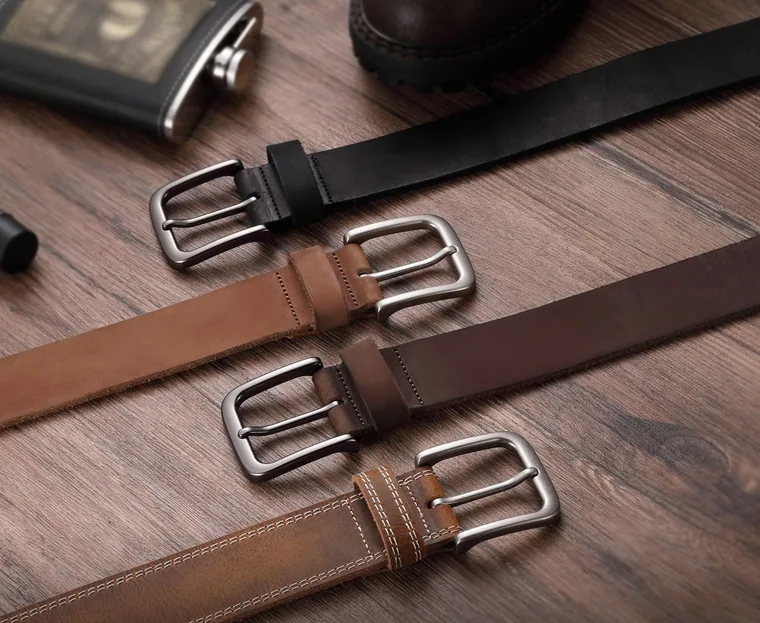
replacements, sold apart
18 belts from $9.49Our story
CHAOREN makes belts, and almost everything else about the brand follows from one decision: the fit should be continuous rather than stepped. A punched belt gives you five or seven places to stop. A ratchet strap gives you about thirty.
That sounds like a small difference until the middle of a working day, when a waist is not the same size it was at eight in the morning. One notch is an inch. An inch is the difference between comfortable and not.
The CHAOREN studio designs straps, chooses leathers and specifies buckles. Our part of the job is the mechanism, the width and the finish, and the useful things to say about a belt are what it is cut from, what waist it covers, and where it will disappoint you.
Two of those disappointments are worth printing here rather than burying. A ratchet strap is cut to length with scissors and there is no way back if you take off too much. And a buckle width is not negotiable: a 35 mm buckle will not take a 38 mm strap, however similar they look in a photograph.
| Department | Belts | Waist covered | From |
|---|---|---|---|
| Ratchet Belts | 65 | 26″ to 52″ | $6.83 |
| Tactical & Work Belts | 38 | 26″ to 48″ | $7.49 |
| Stretch & Webbing Belts | 55 | 26″ to 52″ | $7.99 |
| Reversible Belts | 8 | 32″ to 38″ | $5.99 |
| Dress & Pin Belts | 22 | 32″ to 37″ | $4.99 |
| Boys' Belts | 25 | 16″ to 32″ | $4.99 |
| Straps & Buckles | 18 | 32″ to 42″ | $9.49 |
There is a federal guide that says when a belt may be described as leather without qualification, and it names belts specifically. It is the reason our cards say full-grain, top-grain or genuine leather rather than the single word, and the reason a webbing belt is called webbing.
It is a dull piece of regulation and it is the most useful thing in this trade. The journal piece on reading a belt label quotes it in full, with the date we read it.
The number nobody checks and everybody should. A 35 mm strap sits in the loops of dress trousers. A 38 mm strap does not, or it does and looks wrong. Jeans loops take both, so the width question only bites when the trousers are formal.
So the width is on every card in this range, in millimetres, because that is what is stamped on a buckle. The table further down counts what exists in each one.
A trouser waist is measured at the button. A belt is measured to where the buckle sits, which is further round the body and through two or three layers of cloth. The gap between the two is usually a couple of inches, and it is the single commonest reason a belt arrives too short.
So the cards here print a waist range rather than a belt length, and the ladder further down counts what each department actually covers. A range is a more honest number for a ratchet belt anyway: the strap is cut to you, and what the maker publishes is the window it can be cut into.
A leather strap creases where it folds through the buckle, and after a few years that fold is the oldest part of the belt. The buckle, meanwhile, is metal on metal and keeps gripping.
Selling the two apart is not a merchandising trick, it is the arithmetic of how they wear. A new strap on a buckle you already own costs less than a belt and lasts as long as the first one did.
One from each department
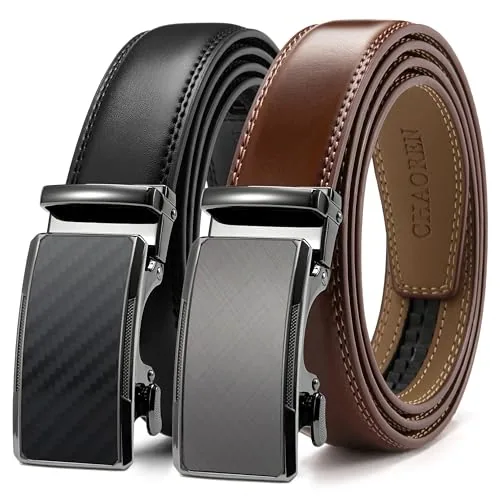
Seven belts, one from every part of the lineup, so the difference between a pin buckle and a click buckle is visible rather than described.
leather
4.6 out of 5 · 3,253 ratings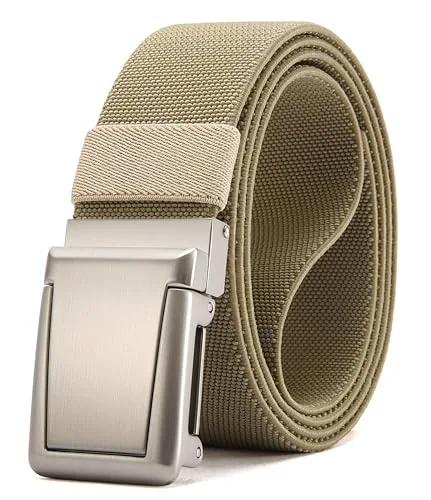
38″ to 42″ waist
4.6 out of 5 · 1,634 ratings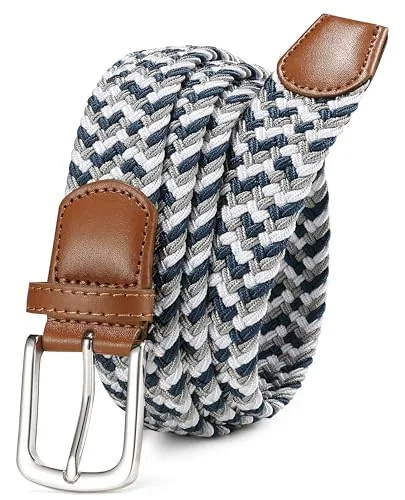
elastic weave
4.6 out of 5 · 5,606 ratings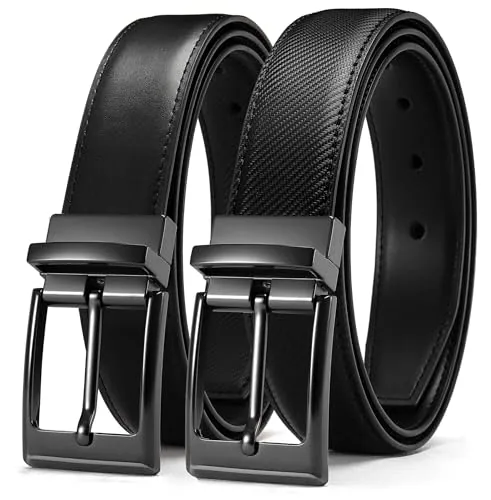
32″ to 34″ waist
4.4 out of 5 · 9,444 ratings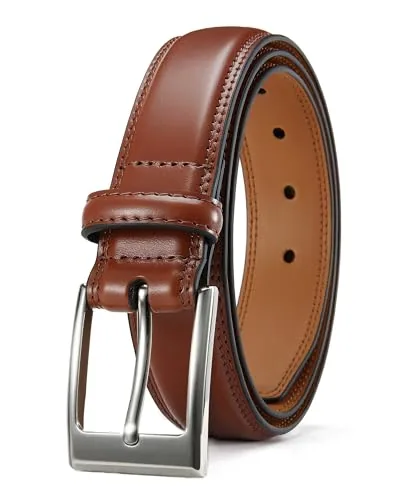
leather
4.4 out of 5 · 4,320 ratings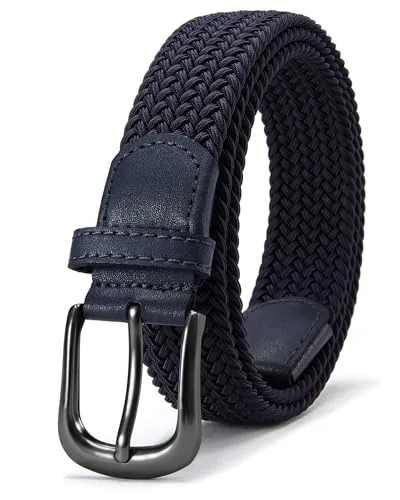
26″ waist
4.8 out of 5 · 251 ratings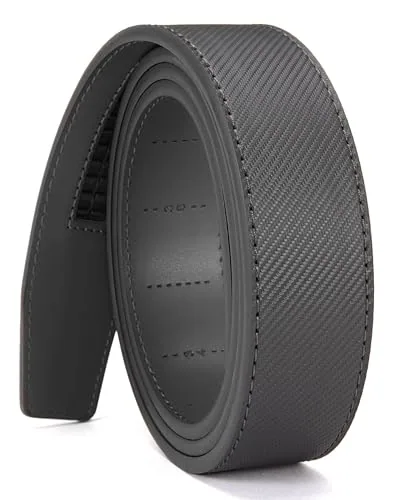
36″ to 42″ waist
4.6 out of 5 · 4,044 ratingsPrices are what we last recorded for each belt. Every button opens that belt on our retail partner's site in a new tab.
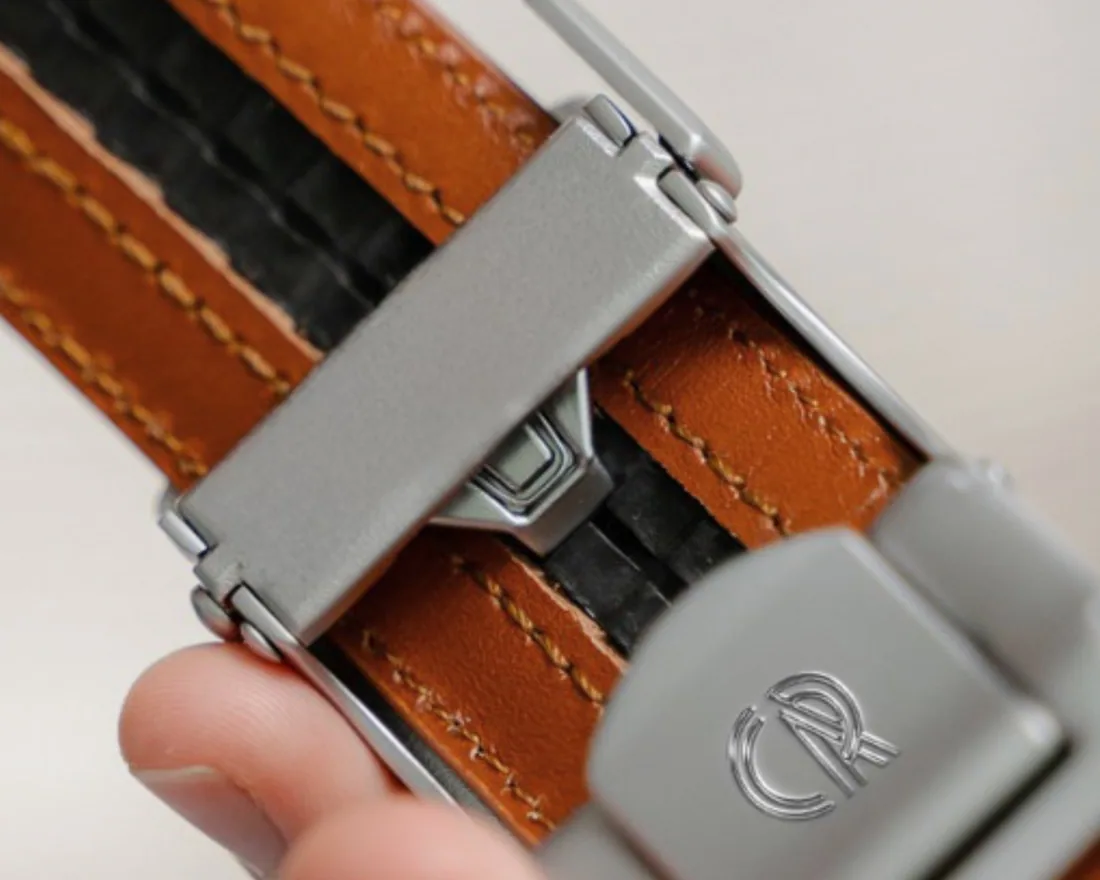
The mechanism
The underside of a ratchet strap carries a row of fine teeth. The buckle grips one of them, and the next one is about a fifth of an inch along. That is the whole idea: the belt stops where you want it to, not where somebody punched a hole a year ago.
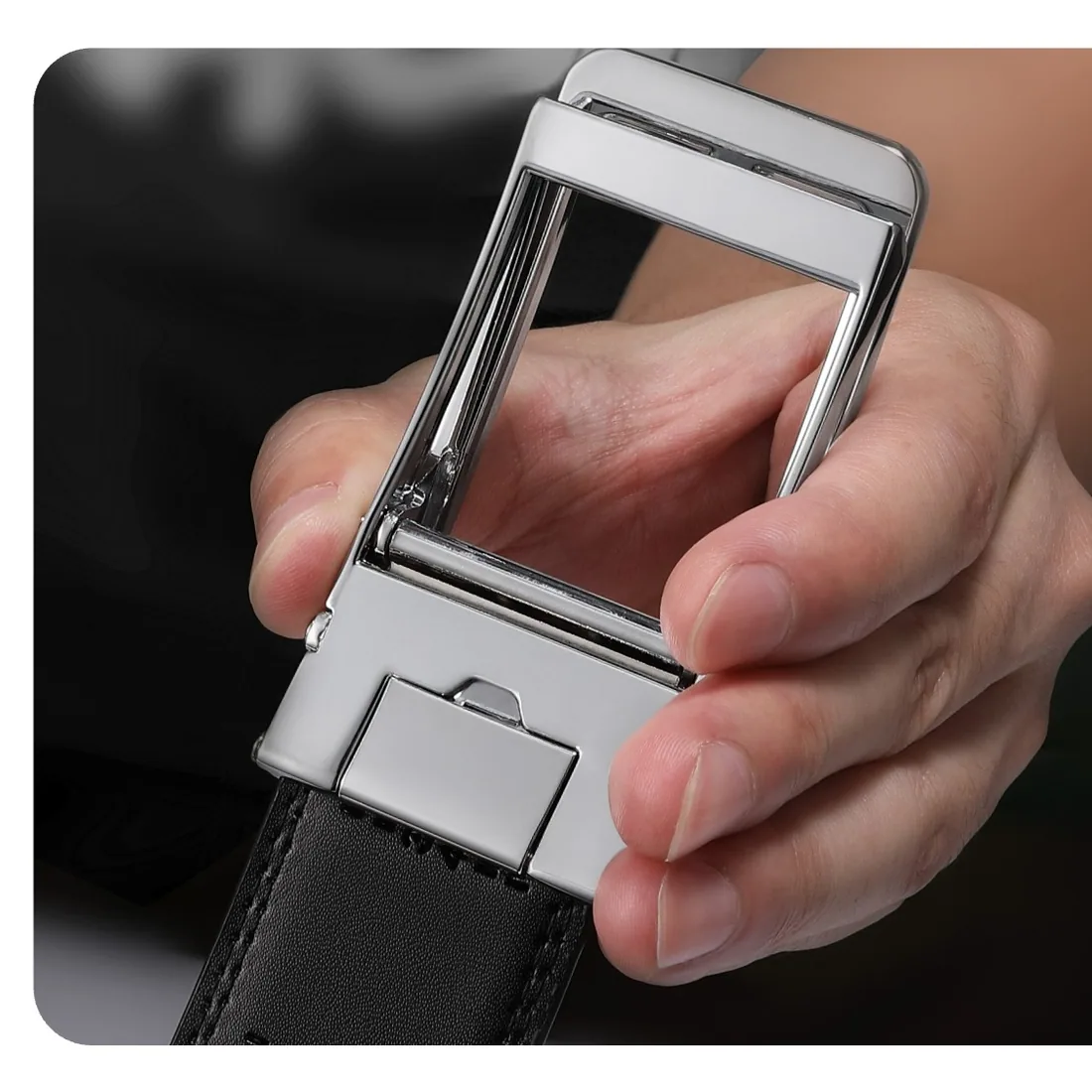
Taking it off
The release sits on the side of the buckle where a thumb already is. Press it and the strap runs free. There is nothing to unthread and nothing to line up. It is the part of the design that people notice on the second day rather than the first.
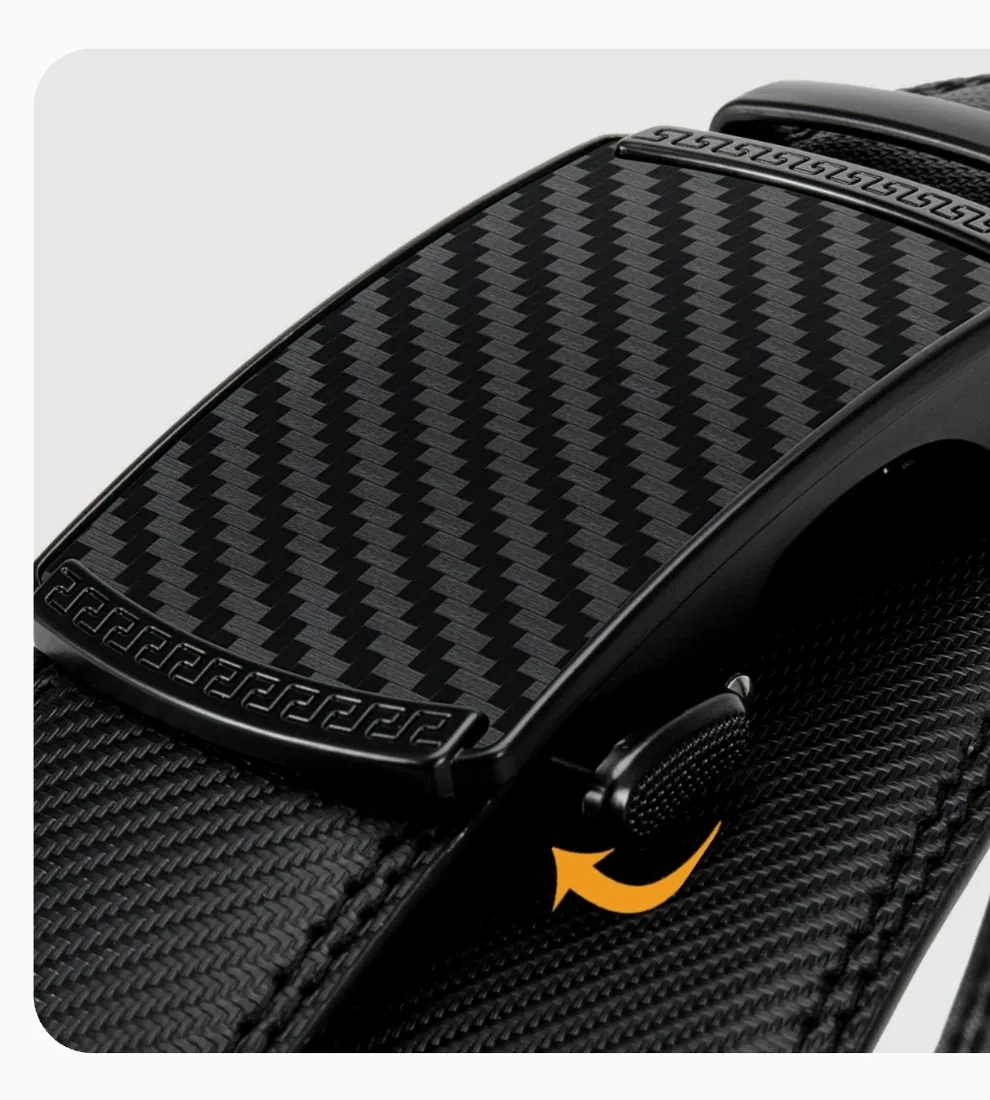
Two objects, not one
The buckle unclips from the strap without tools. That is what makes a worn strap a replaceable part rather than the end of the belt, and it is why straps and buckles are sold separately here at all.
Before the first wearing
It takes five minutes and a pair of household scissors, and it is the only part of owning one of these that cannot be undone.
Thread the uncut strap, fasten the buckle and put on the trousers you will actually wear it with. Where the buckle sits now is the length you need.
The teeth run along the strap, so length comes off the plain end. Mark it where it passes the first belt loop past the buckle, then add an inch back for the buckle's own bite.
The buckle unclips without tools. Cut across the strap in one pass rather than trimming twice: a stepped edge will not seat properly.
Sit before you decide it is right. A waist measured standing is about an inch smaller than the same waist in a chair, and that inch is exactly what a ratchet belt exists to absorb.
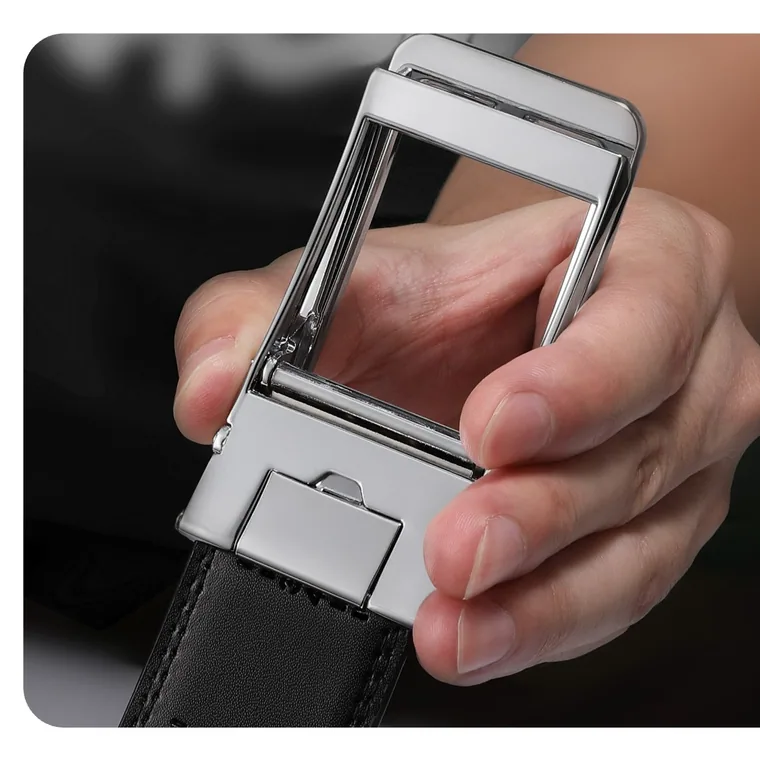
Cut less than you think. A strap can be shortened a second time and it cannot be lengthened at all, so the mistake worth making is the one that leaves an inch too much.
The narrow end
Youth widths and youth lengths with the same click buckle, because a child cannot judge a hole to within an inch and gives up on a belt that only fits on one.
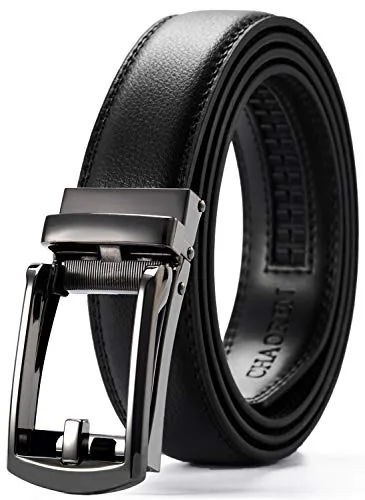
26″ to 30″ waist
4.6 out of 5 · 1,203 ratings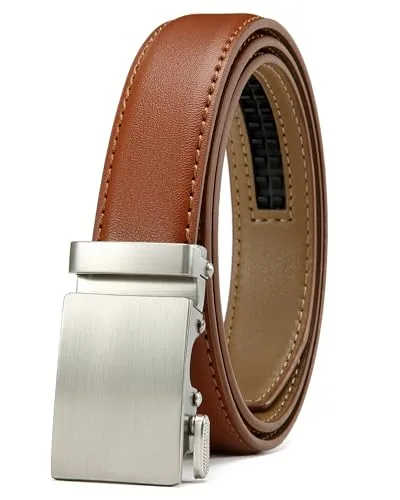
leather
4.7 out of 5 · 214 ratings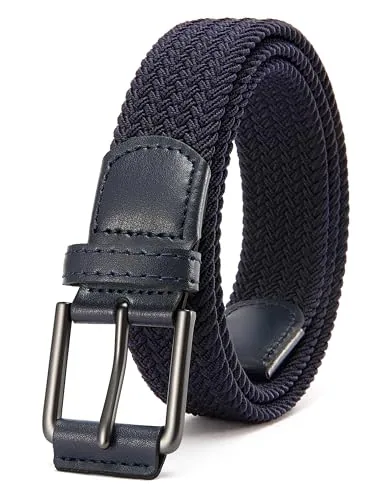
26″ waist
4.6 out of 5 · 89 ratings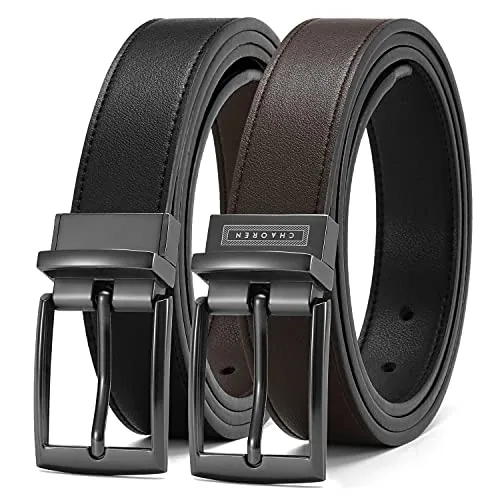
leather
4.6 out of 5 · 2,395 ratingsPrices are what we last recorded for each belt. Every button opens that belt on our retail partner's site in a new tab.
Worn, not staged
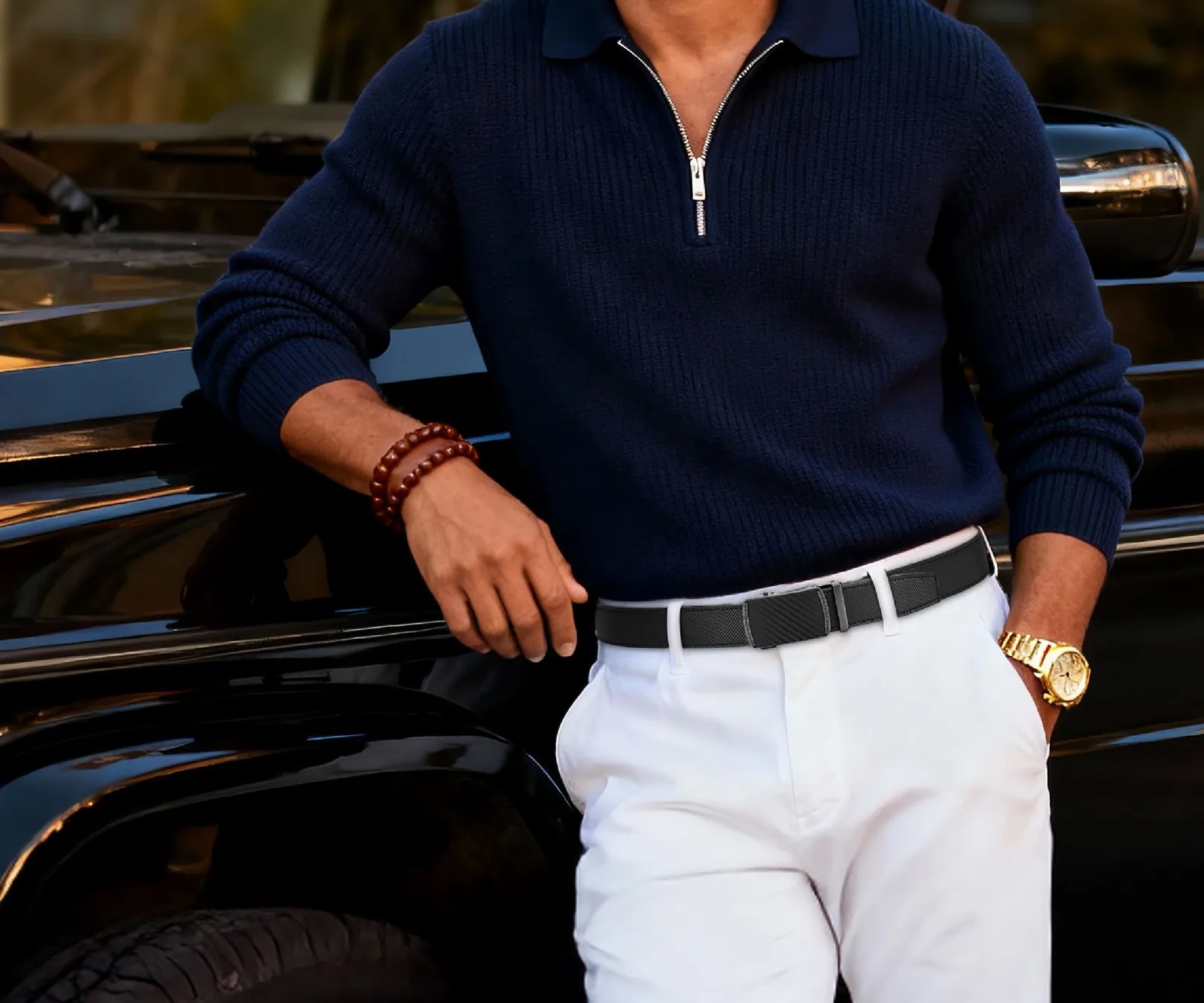
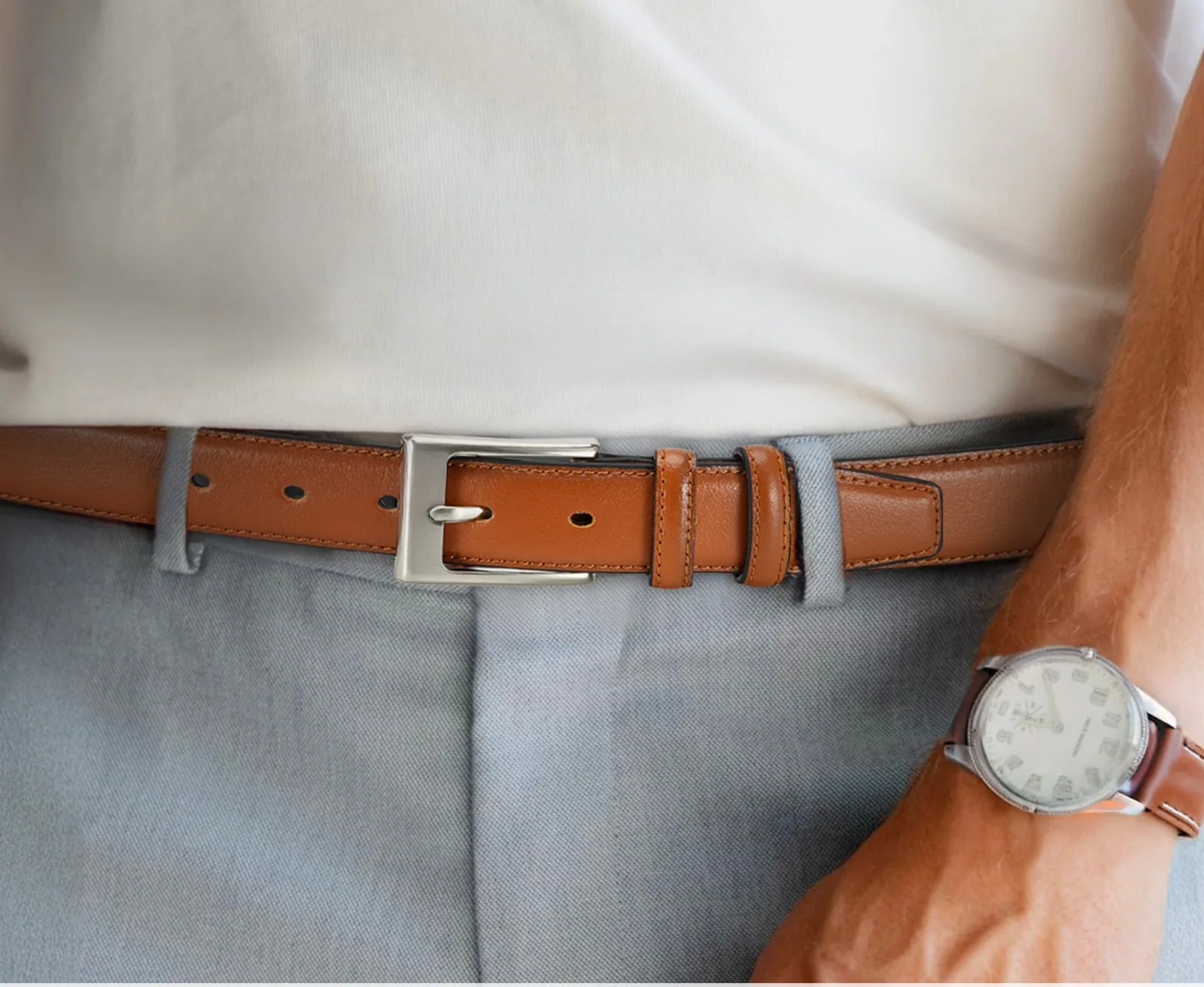
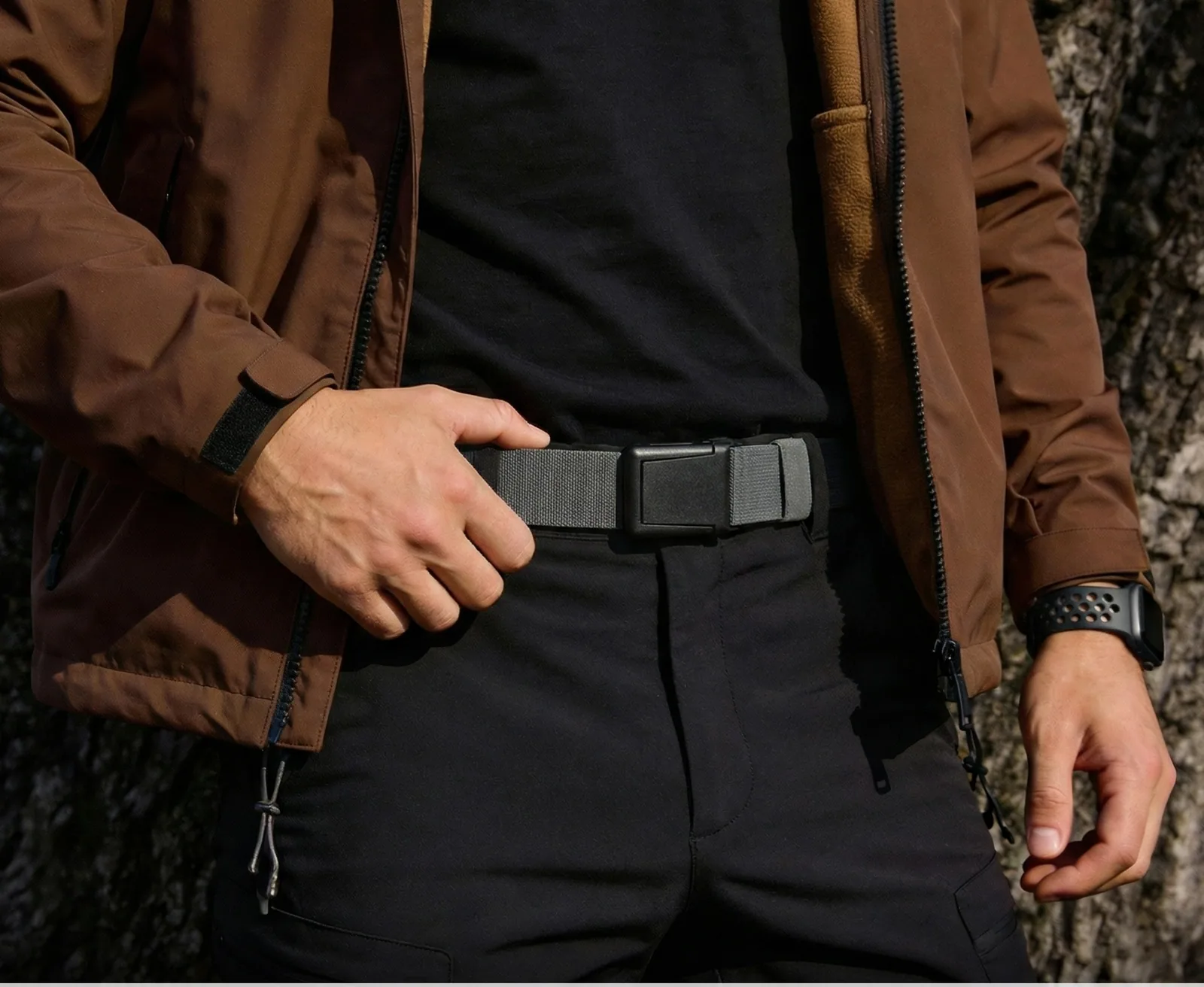
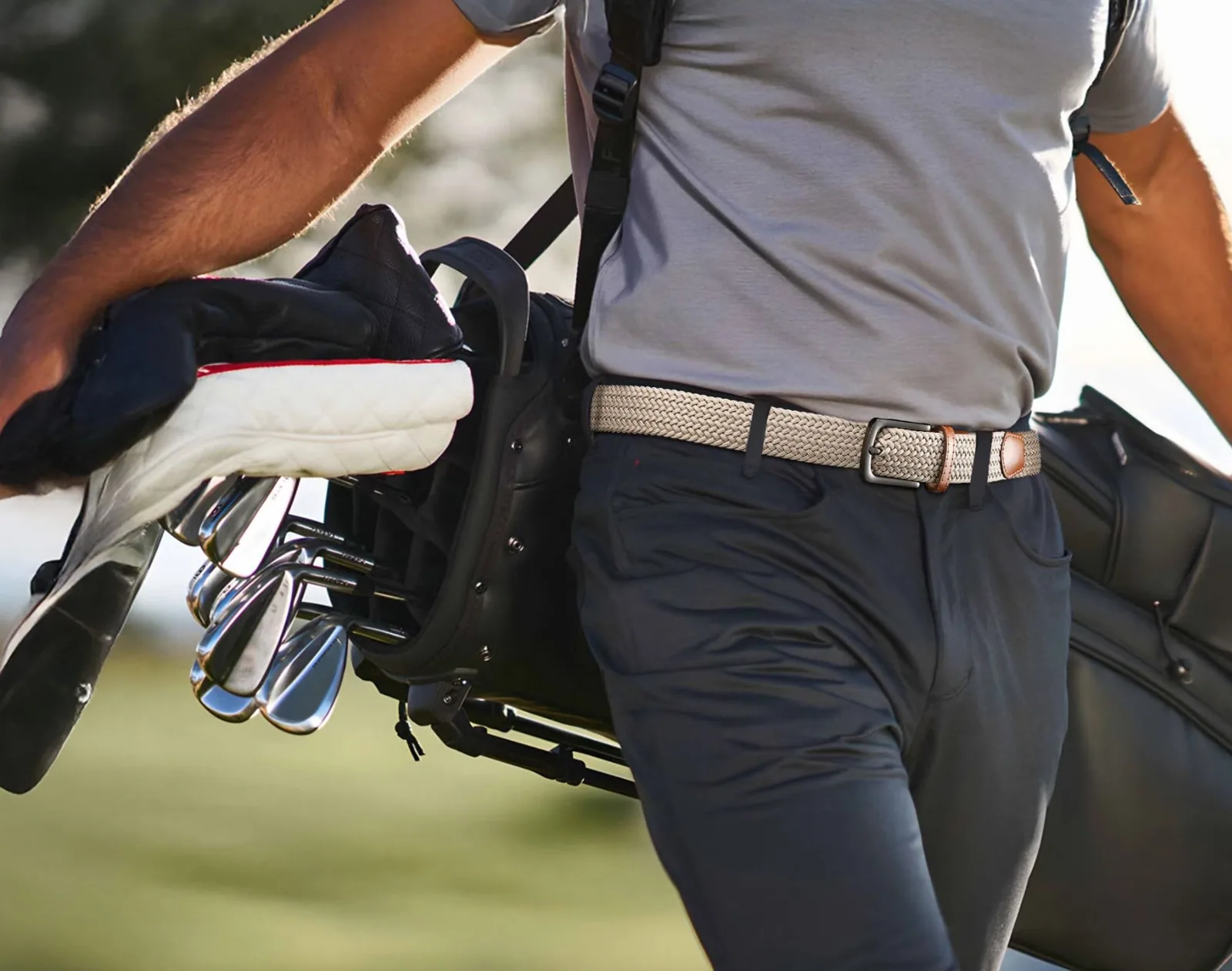
Our own frames at the size they were shot: what the leather looks like against grey trousers, dark denim and workwear.


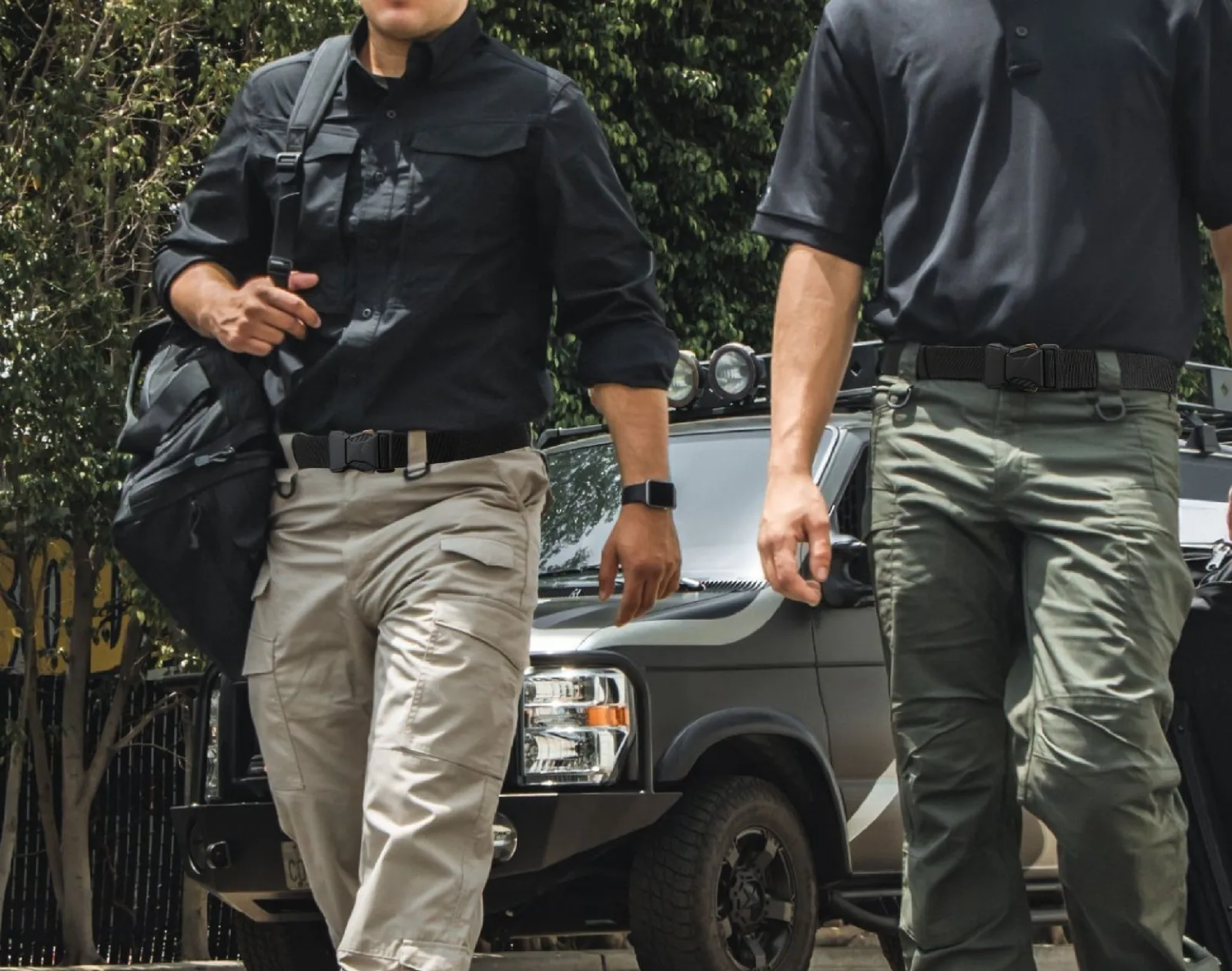
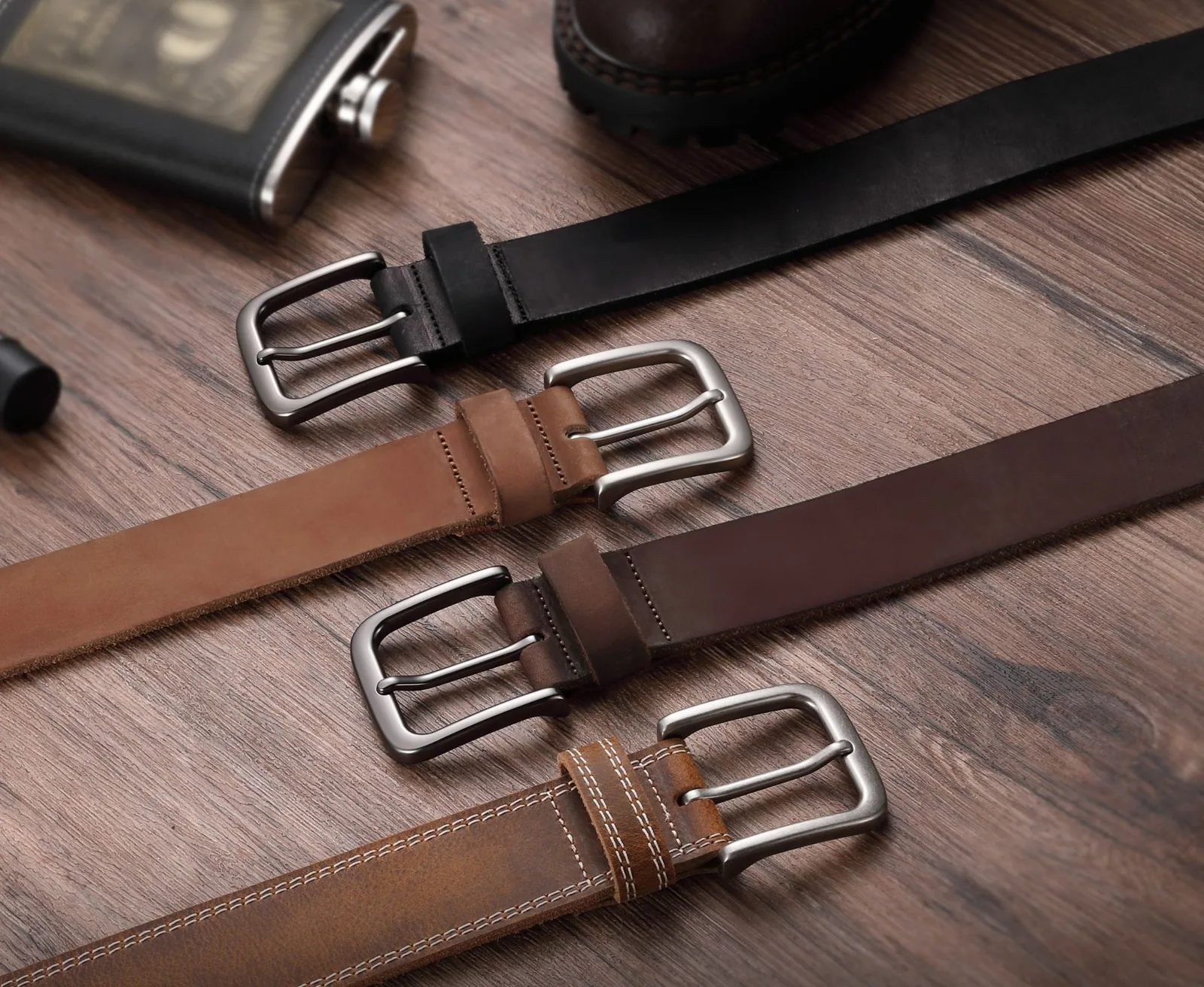
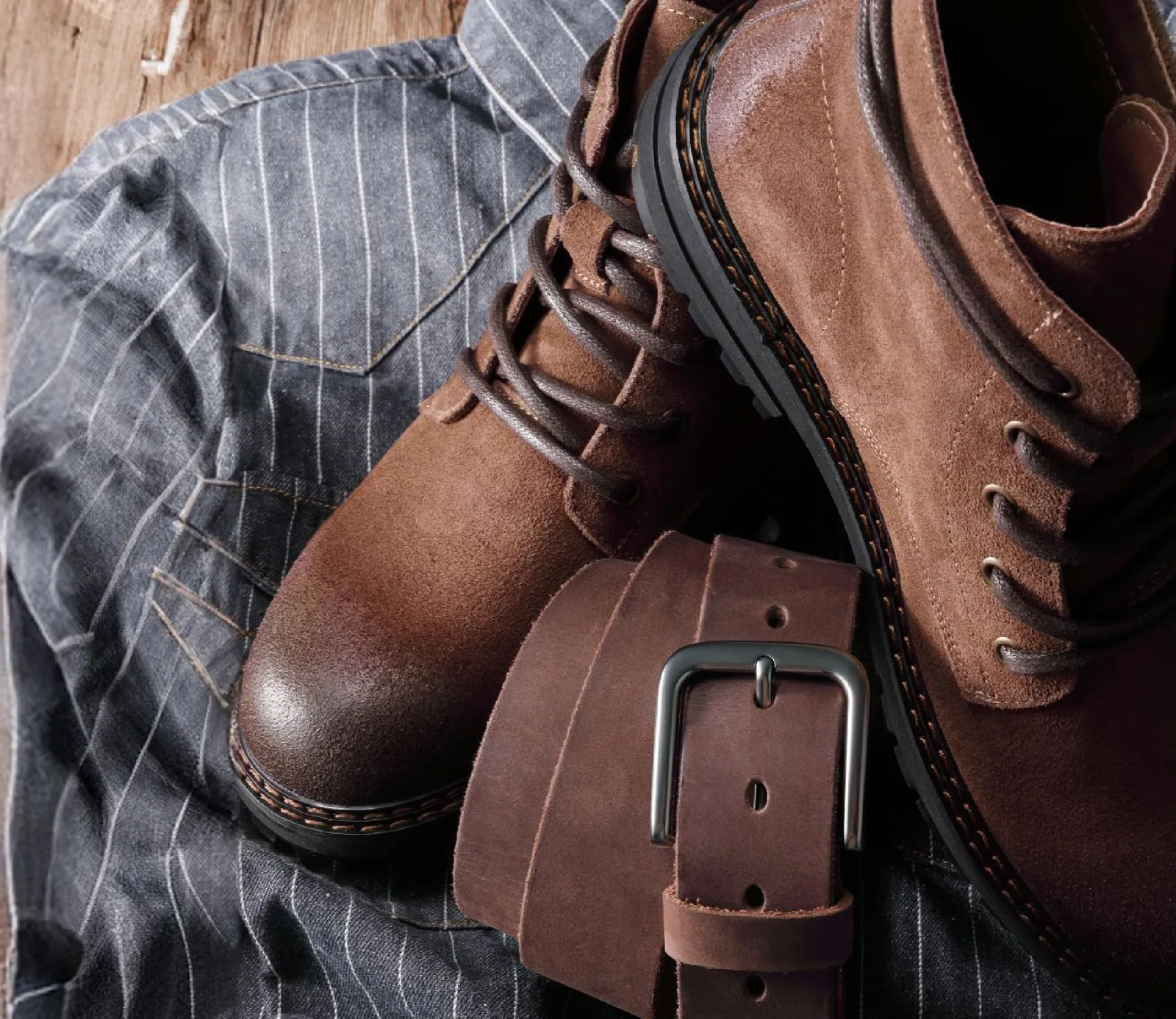

Not on any product page
A brand can publish a size chart and stock a third of it. This counts the belts that exist right now, so you can see before ordering whether your waist is covered at all.
| Department | Belts | Waist covered | Widths | From |
|---|---|---|---|---|
| Ratchet Belts | 65 | 26″ to 52″ | 32 mm, 35 mm, 38 mm | $6.83 |
| Tactical & Work Belts | 38 | 26″ to 48″ | 32 mm, 38 mm | $7.49 |
| Stretch & Webbing Belts | 55 | 26″ to 52″ | 28 mm, 35 mm, 38 mm | $7.99 |
| Reversible Belts | 8 | 32″ to 38″ | 32 mm | $5.99 |
| Dress & Pin Belts | 22 | 32″ to 37″ | 35 mm | $4.99 |
| Boys' Belts | 25 | 16″ to 32″ | 28 mm, 32 mm | $4.99 |
| Straps & Buckles | 18 | 32″ to 42″ | 32 mm, 35 mm, 38 mm, 40 mm | $9.49 |
The number nobody checks
Width decides whether a belt sits in the loops of the trousers you own. It is stamped on the buckle in millimetres, so that is how we print it.
| Width | What it is for | Belts | Departments | From |
|---|---|---|---|---|
| 28 mm | youth waists and fine dress straps | 7 | 2 | $13.49 |
| 32 mm | slim dress trousers and youth sizes | 32 | 5 | $4.99 |
| 35 mm | the formal width, and it also passes jeans loops | 63 | 4 | $6.83 |
| 38 mm | jeans, workwear and anything that carries weight | 44 | 4 | $7.99 |
| 40 mm | wide work loops and replacement buckles | 7 | 1 | $9.49 |
Also not on any product page
The finish is half of what a belt looks like from across a room, and it is the half that dates fastest. Pick a finish and see what carries it.
| Finish | Belts | Departments | From |
|---|---|---|---|
| Gunmetal | 34 | 5 | $7.99 |
| Carbon fibre | 21 | 4 | $7.99 |
| Silver | 12 | 5 | $9.99 |
| Matte | 8 | 1 | $9.99 |
| Brushed | 6 | 1 | $12.74 |
| Anodized | 3 | 1 | $6.99 |
| Nickel | 1 | 1 | $14.99 |
Keeping them
A belt fails at the fold, not in the middle. All five below are free.
The journal
Three pieces written because the same questions kept arriving. Sources are named with the date we read them, and the numbers come from our own range.
Full-grain, top-grain, genuine, bonded. Four words that sound like grades of the same thing and are not.
1,604 words
Two inches, one buckle, and the commonest reason a belt arrives too short.
1,535 words
A belt a child cannot work alone is a belt that lives in a drawer. That is a design question, not a discipline one.
1,613 wordsBefore you order
Not your trouser size. A belt is measured to where the buckle sits, which is a couple of inches more than the waistband, and a ratchet belt covers a range rather than a number. Every card here prints that range.
Yes, once, and it is the only irreversible part. The block on this page walks through it in four steps, and the short version is to take off less than you think.
Three millimetres, and whether it fits the loops on dress trousers. 35 mm is the formal width; 38 mm is for jeans and workwear. The width table on this page counts what exists in each.
Yes. Straps and buckles are sold separately in their own department, in 5 widths, because a strap creases years before a buckle stops gripping.
Where a card says leather it says which kind: full-grain, top-grain, genuine or cowhide. There is a federal guide about when the plain word may be used at all, and the journal piece on reading a belt label quotes it.
